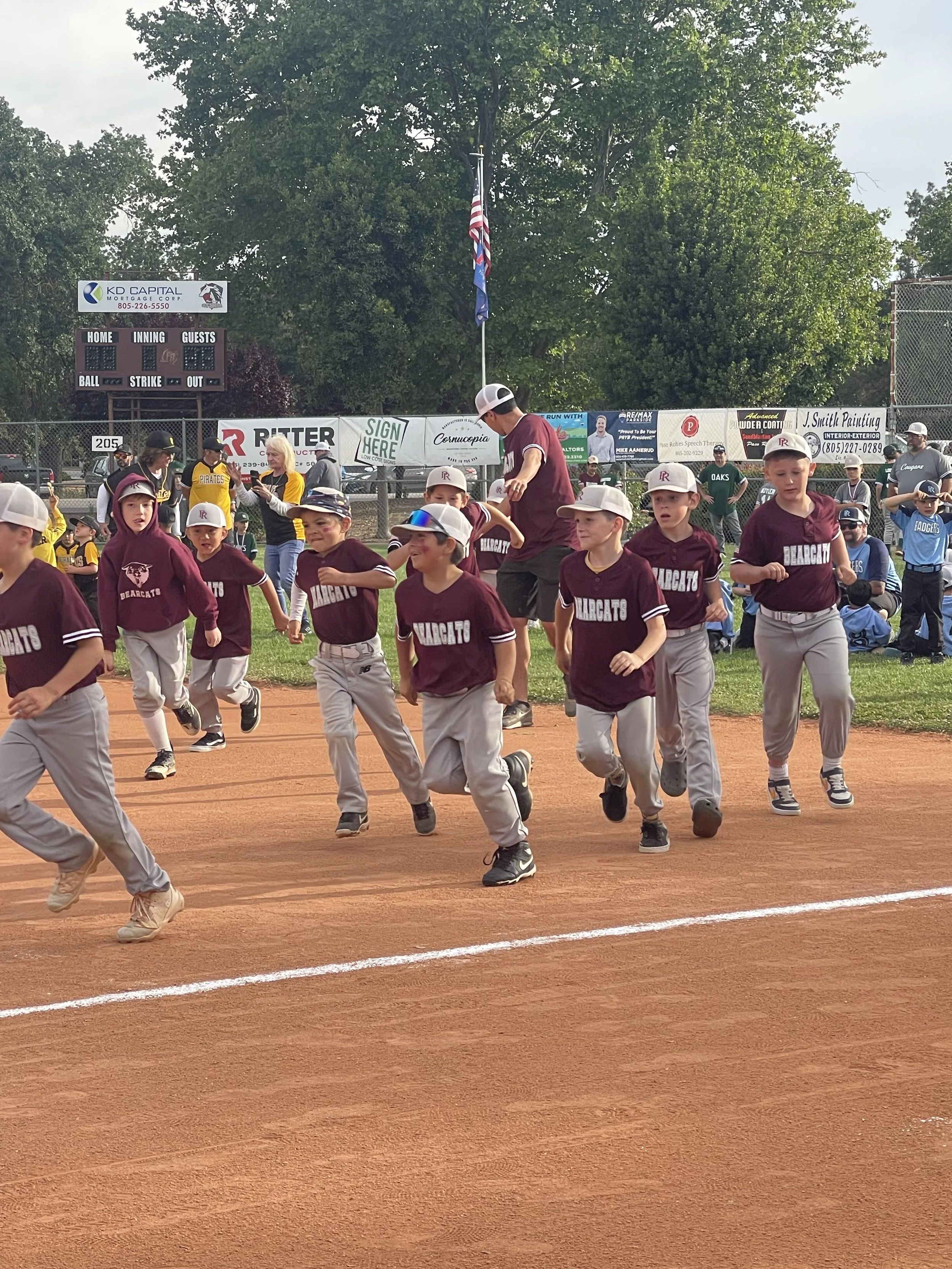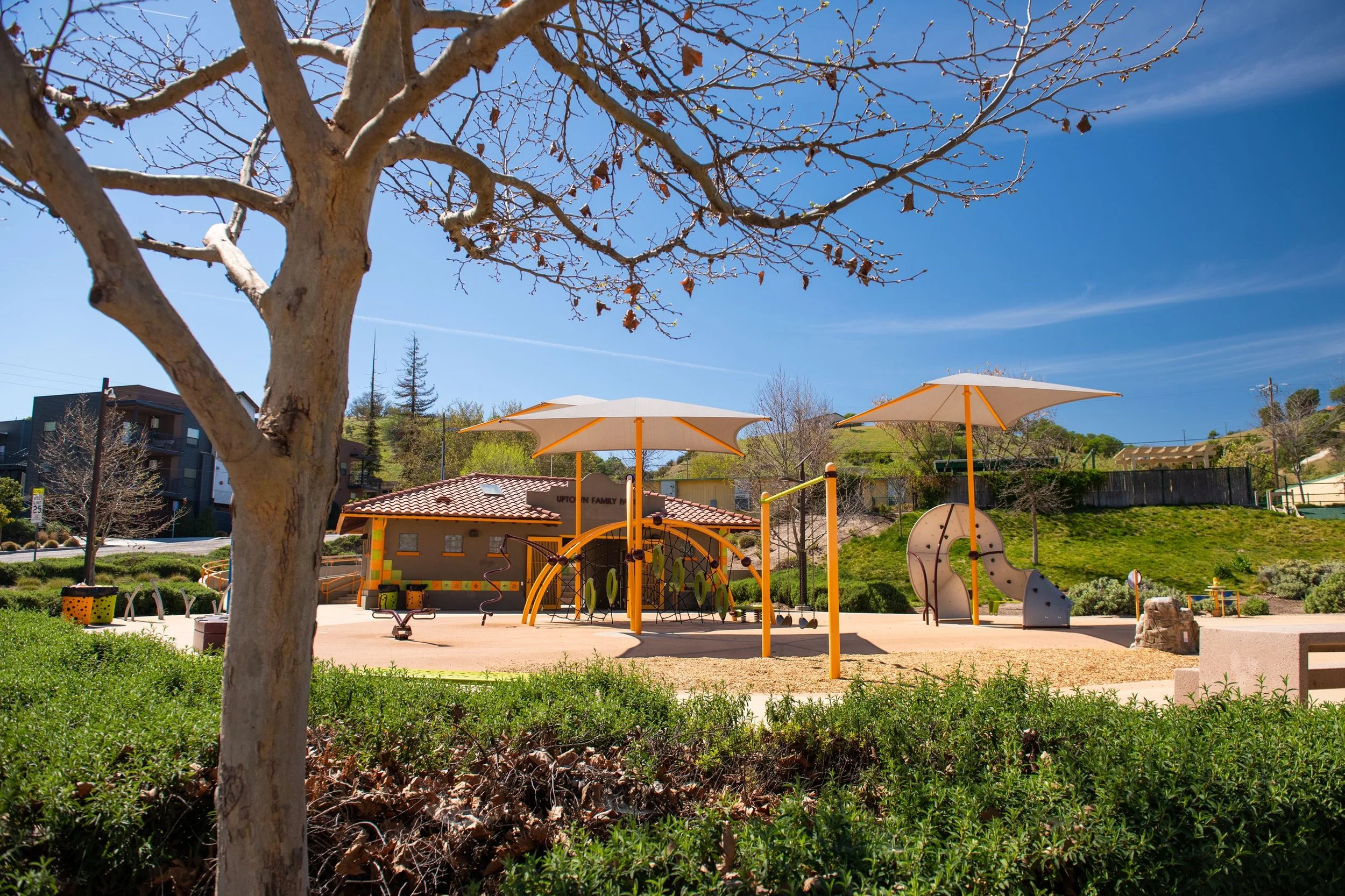
Parks are not a Luxury - They’re Essential Infrastructure
When we talk about parks, open space, and recreation, it’s easy to think of them as “nice to have.” They’re not. They are some of the most cost-effective, high-impact investments a city can make—quietly shaping our health, our neighborhoods, and our local economy every single day.
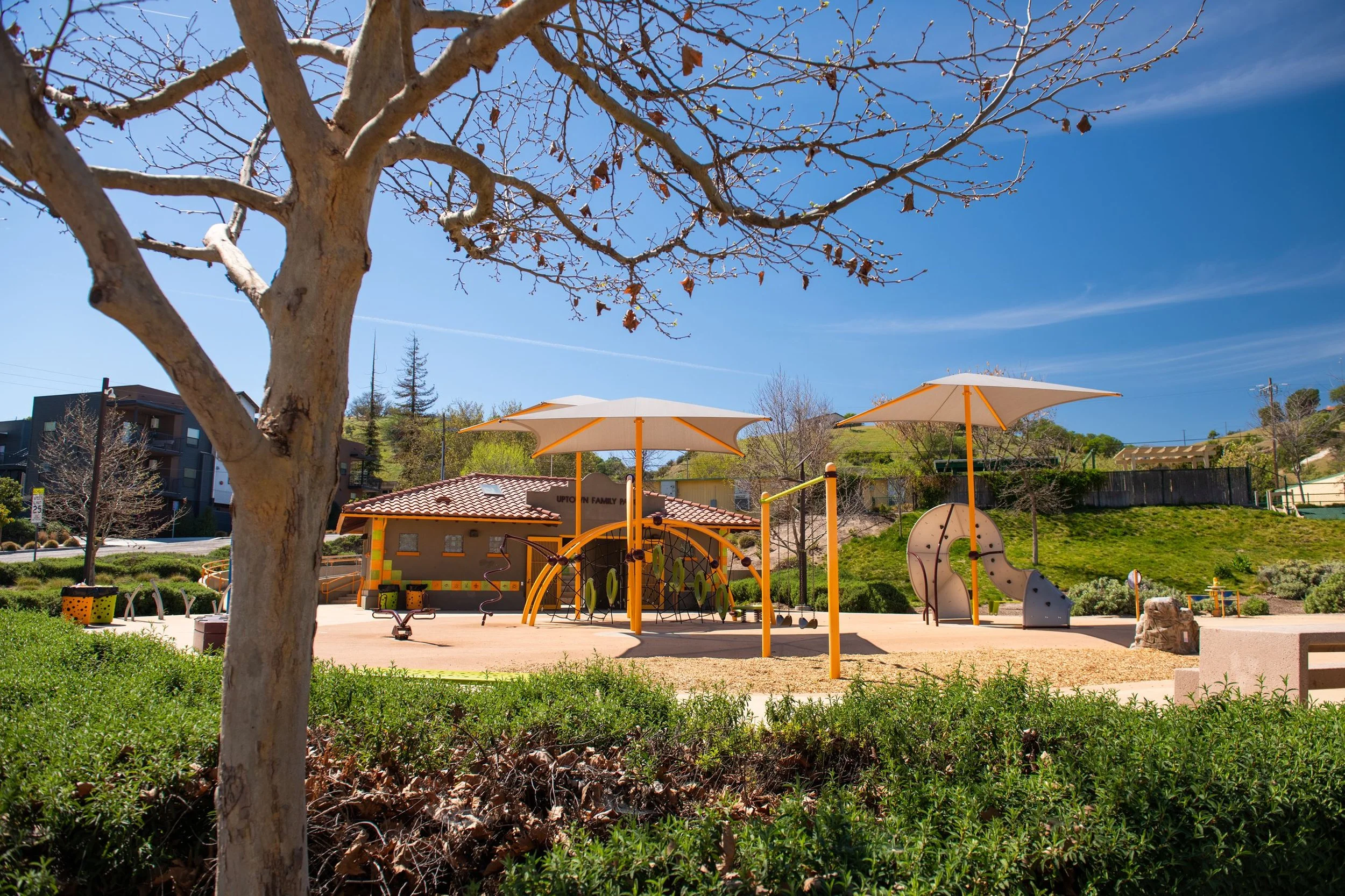
When we talk about parks, open space, and recreation, it’s easy to think of them as “nice to have.”
They’re not.
They are some of the most cost-effective, high-impact investments a city can make—quietly shaping our health, our neighborhoods, and our local economy every single day.
Health Happens in Parks
Parks make it easier for people to move—whether that’s organized sports, a walk after dinner, or kids playing outside.
In California, access to safe parks and recreational spaces is directly tied to higher physical activity and lower rates of chronic disease.
Just as important: time in nature improves mental health. Studies consistently show reduced stress, improved mood, and better overall well-being tied to access to green space.
Where Community Comes Together
Not everything that builds a strong community happens in a meeting room.
It happens at playgrounds, ballfields, walking paths, and open lawns.
Parks are essential community spaces—supporting social connection, youth development, and neighborhood cohesion across California communities.
Built-In Climate Solutions
Parks do real environmental work—especially in California.
They help:
reduce urban heat
improve air quality
manage stormwater
increase climate resilience
Urban tree canopy and open space can significantly lower temperatures in heat-vulnerable communities.
This is infrastructure you can walk through.
A Smart Economic Investment
Parks are also an economic driver.
Closer to home, parks increase property values, attract visitors, and support local businesses—while also reducing long-term healthcare costs.
Access Matters
On the westside (District 1), there is a lack of open green space leading to a gap in park access.
That gap can show up in health outcomes, quality of life, and opportunity.
Park investment isn’t just about amenities—it’s about making sure every neighborhood has access to safe, welcoming spaces to gather, play, and recharge.
The Bottom Line
Parks aren’t extra.
They are essential infrastructure that supports:
healthier people
stronger communities
climate resilience
and a thriving local economy
When we invest in parks, we’re not just building places—we’re shaping the future of our community.
Sources:
Parks Momentum | Educate, Engage, Empower
One of the most rewarding parts of this work is seeing how community members can turn a concern into real progress. The Parks Momentum that we’re seeing is a direct result of community engagement.
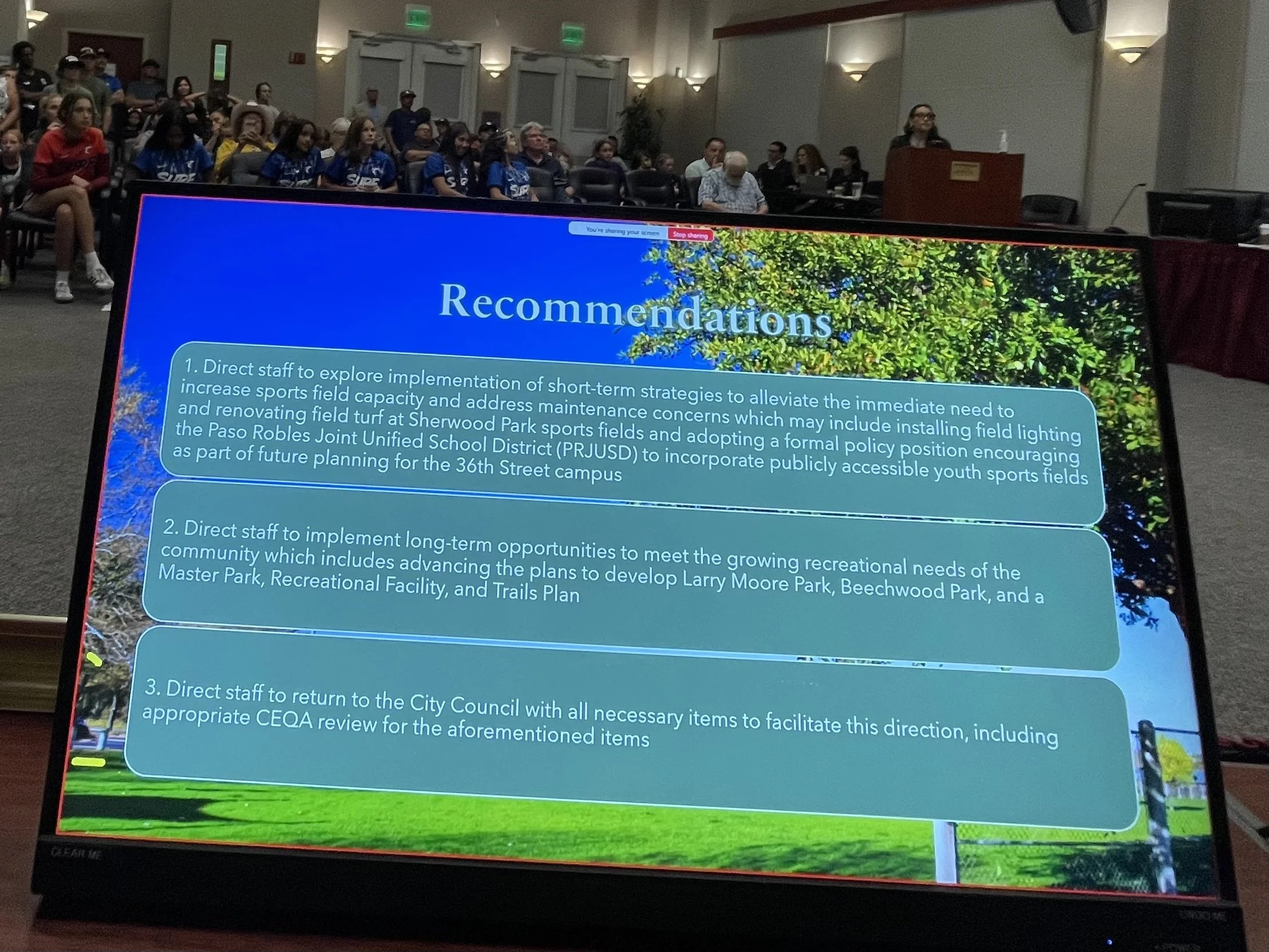
One of the most rewarding parts of this work is seeing how community members can turn a concern into real progress. A recent outcome around our parks system is a great example of what it looks like to educate, engage, and empower.
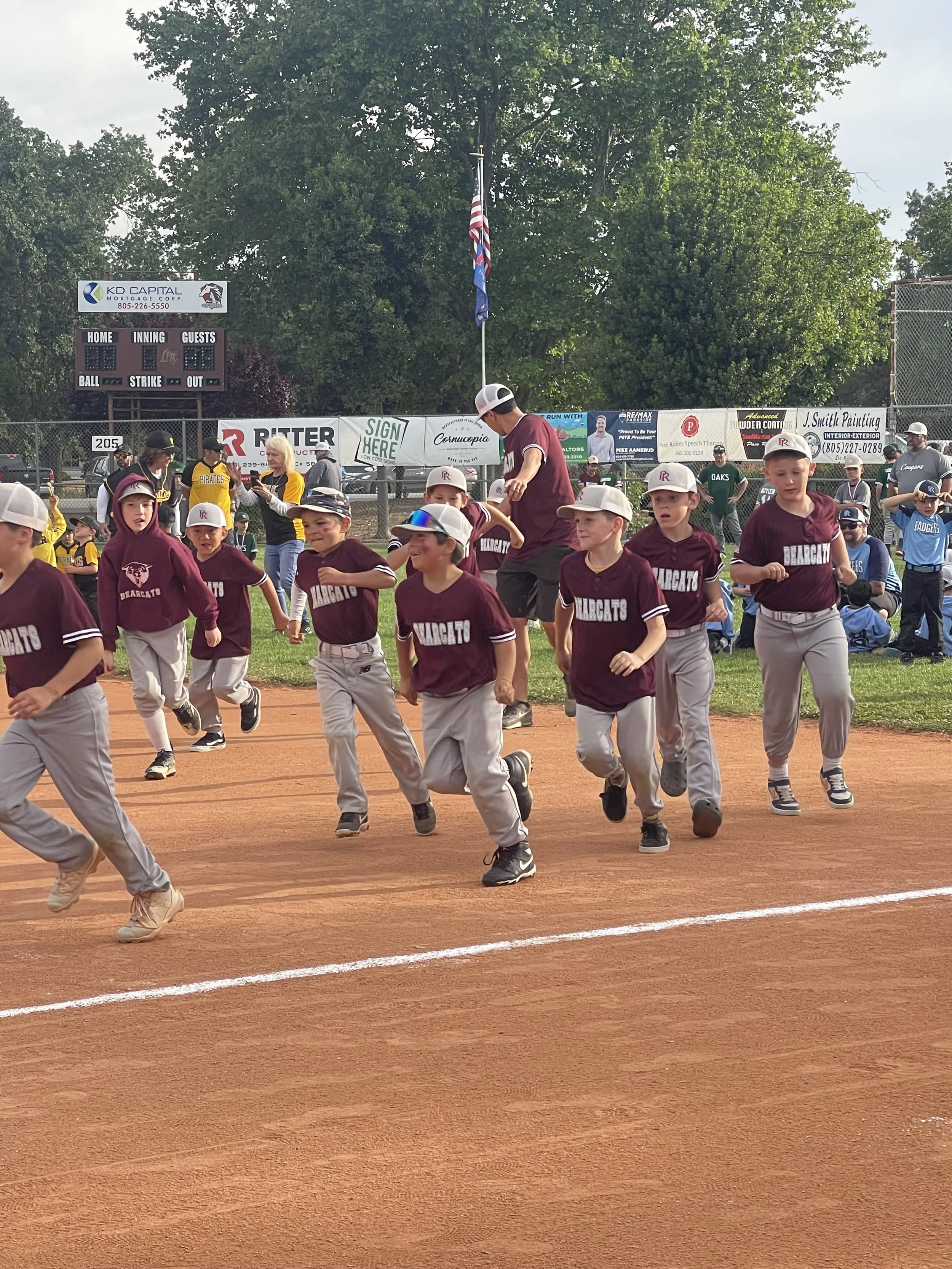
It started with a simple but important concern. Parents reached out to me about the lack of available field space for youth sports. Rather than stopping at that frustration, we talked about how to plug into the process in a meaningful way. I shared information about the Parks & Recreation Advisory Committee and encouraged them to get involved.
They did exactly that.
They showed up, engaged with the committee, and connected with advisors, staff, and Council liaisons. In doing so, they weren’t just participating—they were learning how the system works and how to be effective within it. That knowledge helped them speak clearly about the issue and advocate for solutions.
From there, their engagement continued.
They came to Council meetings, shared their experiences, and encouraged others to participate as well. Their voices helped elevate the issue, and Council agreed it was important enough to bring forward as a formal agenda item.
When that happened, staff stepped in with a strong, data-driven presentation and a thoughtful plan to address the need. Following that discussion, the City Council voted 5–0 to move forward.
That action includes improvements at Sherwood Park, an investment in developing a Parks Master Plan, and direction to explore conversations with the school district about the future use of the 36th Street campus.
This is exactly why understanding the process matters. When people know how and where to bring forward their concerns—and stay engaged along the way—they can help shape real outcomes.
It doesn’t always guarantee a specific result. But it does lead to better conversations, more informed decisions, and a stronger connection between the community and local government.
And sometimes, it leads to a win like this.